

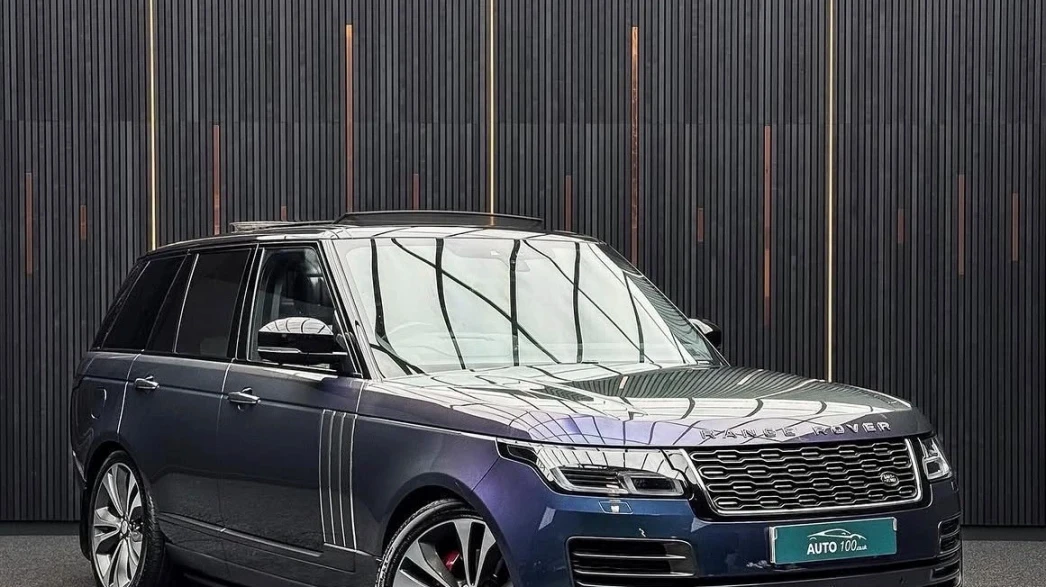
The Auto100 Range Rover Buying Guide: Our Decades Of Experience With A British Icon
Buying a used Range Rover is about much more than comparing prices, mileages and service stamps. Choosing the right specification, engine, and maintenance history is far more important than price. At Auto100, we've spent years buying and selling Range Rovers. We've seen some exceptional Range Rovers, along with cars that should have been perfect but time and a lack of maintenance have got in the way.
Learning is part of our ethos at Auto100, and we hope you can learn from our experience.
From air suspension and complex electronics to engine maintenance and service history, there are plenty of areas worth investigating before committing to a purchase. We cant tell you everything to check for but hopefully a few minutes reading this guide will point you in the right direction. This guide shares some of what we've learnt to help you find the right car and buy with confidence.
A brief history of the Range Rover
When the original Range Rover launched in 1970, it combined genuine off-road ability with a level of comfort and refinement that was unusual for a vehicle of its kind. The original two-door model featured a 3.5-litre V8 and permanent four-wheel drive, establishing the foundations for what would become one of the world's most recognisable luxury SUVs.
Over the decades, successive generations have introduced greater performance, technology and refinement, while retaining the distinctive character that made the original so special making the Range Rover one of the most luxurious cars on the road, often punching well above its price tag, being compared to brands like Bentley & Rolls Royce.
If you're beginning your search, you can explore our current selection of used Range Rovers at Auto100.
1. Range Rover Service History: What to Check Before Buying
When buying a used Range Rover, a full service history is important, but we believe it's just as important to understand what that history actually tells you. Service stamps are a useful starting point, but invoices, maintenance records and the car's overall condition can reveal much more.
Check the Land Rover TOPIx Online Service History
On many later Range Rovers, from around 2013 onwards, servicing is recorded through Land Rover's online TOPIx service history system. These digital records can provide a more reliable picture of a vehicle's maintenance than a traditional service book alone, as retrospectively changing recorded entries is more difficult. Always check the available records and supporting invoices where possible.
Look for Regular Oil Changes on SDV6 and TDV6 Engines
When assessing a used Range Rover with an SDV6 or TDV6 diesel engine, we pay particular attention to its oil change history. Regular engine oil and filter changes are an important part of ongoing maintenance, particularly on earlier versions of these engines.
Don't simply assume that a car with a comprehensive service record has necessarily received the maintenance it needs. Look at the intervals between oil changes, the mileages recorded and any supporting invoices to build a clearer picture of how the vehicle has been cared for.
Equally, we wouldn't automatically dismiss a Range Rover because every advisory item noted during a previous service hasn't been completed. Some advisories relate to wear items or maintenance that may not yet be due, while others deserve more immediate attention. The important thing is to understand what has been recommended, whether it remains outstanding and what it might cost to put right.
Our view is that service history should always be considered alongside the vehicle's age, mileage, specification and physical condition.
Our advice: When buying a used Range Rover, look for a credible service history, regular oil changes, particularly on earlier SDV6 and TDV6 models, and evidence of work carried out. Check the available Land Rover TOPIx records and have any outstanding advisories assessed before making your decision.
2. Common Range Rover Problems: Engine, Oil Leaks and Electronics
Understanding common Range Rover faults is important when buying used, particularly on older, higher-mileage vehicles. Here are some of the areas we pay particular attention to at Auto100.
TDV6 and SDV6 Engine Problems
The earlier 3.0-litre TDV6 and SDV6 diesel engines have a known risk of crankshaft failure, which can cause catastrophic engine damage and require an expensive replacement.
We always look closely at the service history, particularly oil change intervals. Regular oil changes are important, although they cannot eliminate the risk entirely. A good specialist warranty would always be our recommendation which we can help you with.
Range Rover Air Suspension Pumps
One of the things that makes a Range Rover so comfortable is its air suspension. Unlike conventional springs, it can adjust the ride height at the touch of a button, allowing the car to sit lower for access or higher when needed.
The compressor that powers the system wears over time, and a weakening pump can eventually struggle to raise or lower the car.
When viewing a used Range Rover, always test the suspension. With the doors closed, operate the height controls and check that the car raises and lowers smoothly within a reasonable time. If it struggles, takes noticeably longer than expected or displays a suspension warning, further investigation is worthwhile. Budget around £2,000 for a replacement compressor, depending on the model and repair required.
Our tip: Avoid using "access ride height" function. Although it is a useful feature, repeated operation places additional demands on the system. More importantly, don't ignore a slow or reluctant suspension system, as catching a problem early can help avoid further expense.
Range Rover Oil Cooler Leaks
Oil cooler leaks are worth checking for on higher-mileage Range Rovers. On cars approaching or exceeding 60,000 miles, we'd look for evidence of previous replacement. As a guide, budget around £1,500 for the repair, depending on the vehicle and labour required.
Infotainment and InControl Tracking Problems
Some later Range Rovers have Windows-based infotainment systems that can occasionally freeze or glitch. Software updates from a Land Rover specialist can help, although persistent faults need proper diagnosis.
The InControl tracking system can also be unreliable on some vehicles, sometimes requiring telematics module replacement. We'd generally recommend considering a reputable aftermarket tracking system rather than repeatedly replacing faulty components.
Why a Specialist Inspection Matters
These issues shouldn't automatically put you off buying a Range Rover, but they deserve attention before purchase. We recommend checking the service history, investigating any engine noises or oil leaks, testing the electronics and obtaining a diagnostic assessment where appropriate.
Our advice: Pay particular attention to oil change intervals on earlier TDV6 and SDV6 engines, check for evidence of oil cooler replacement and make sure all major systems work correctly.
You can explore our current selection of used Range Rovers at Auto100.
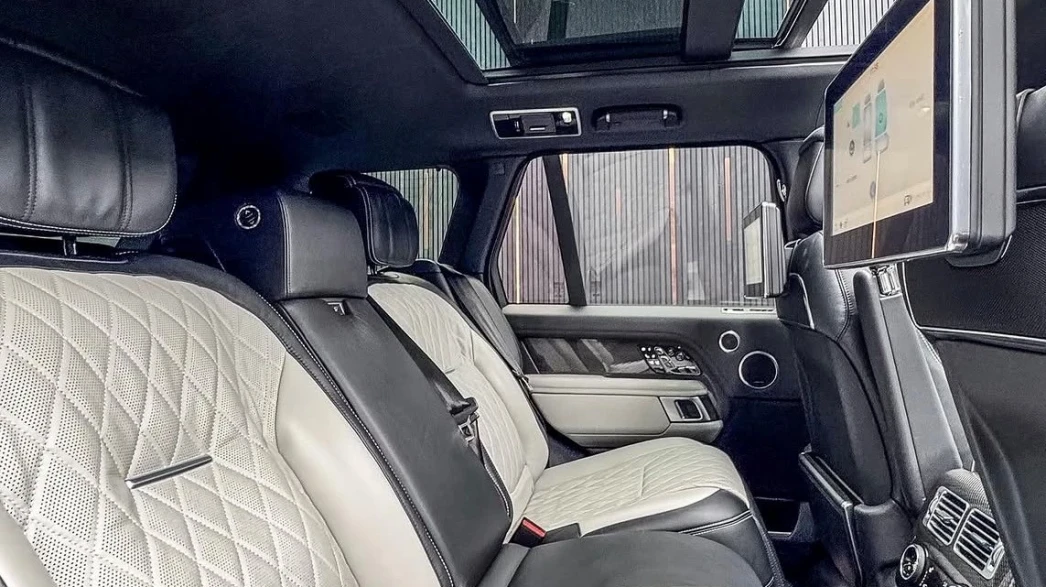
3. Range Rover Specification: What Do the Different Trim Levels Actually Mean?
When looking for a used Range Rover, you'll come across names such as HSE, Vogue, Autobiography and SVR. These are different versions of the same model, offering varying levels of luxury, equipment and performance.
HSE: A well-equipped model offering plenty of comfort and technology.
Vogue: A traditional luxury specification associated with the full-size Range Rover.
Autobiography: A higher specification, generally offering more luxurious materials and additional features.
SVR: A performance-focused version of the Range Rover Sport, with a powerful engine and sportier styling.
SVO and SV models: Special Vehicle Operations (SVO) introduced bespoke options, exclusive paint colours and more individual finishes. The SV name is used on newer special vehicles, with an emphasis on luxury, performance or personalisation.
Why Colour Combination Matters
One of the biggest considerations when buying a Range Rover is its colour combination. From the factory, the enormous range of customisation options allowed buyers to create some truly unusual combinations, alongside some beautiful and highly desirable SVO paint finishes. An SVO colour can cost as much as £10,000 from new so is worth spending that little bit more on as you will have a unique car which stands out when the time comes to resell it.
A striking exterior colour paired with the right interior can make a Range Rover particularly special. However, more unusual combinations can also narrow the pool of potential buyers when it comes to resale, potentially affecting its value.
The same applies to interior colours, contrasting upholstery and bespoke finishes. What one buyer considers wonderfully individual, another may find difficult to live with.
Our advice: Don't assume the highest trim level or the most expensive factory options automatically make a car more desirable. Consider the overall specification, condition and service history, and think carefully about how an unusual colour combination might affect future resale value.
Browse our current selection of used Range Rovers at Auto100 to compare different specifications and colour combinations.
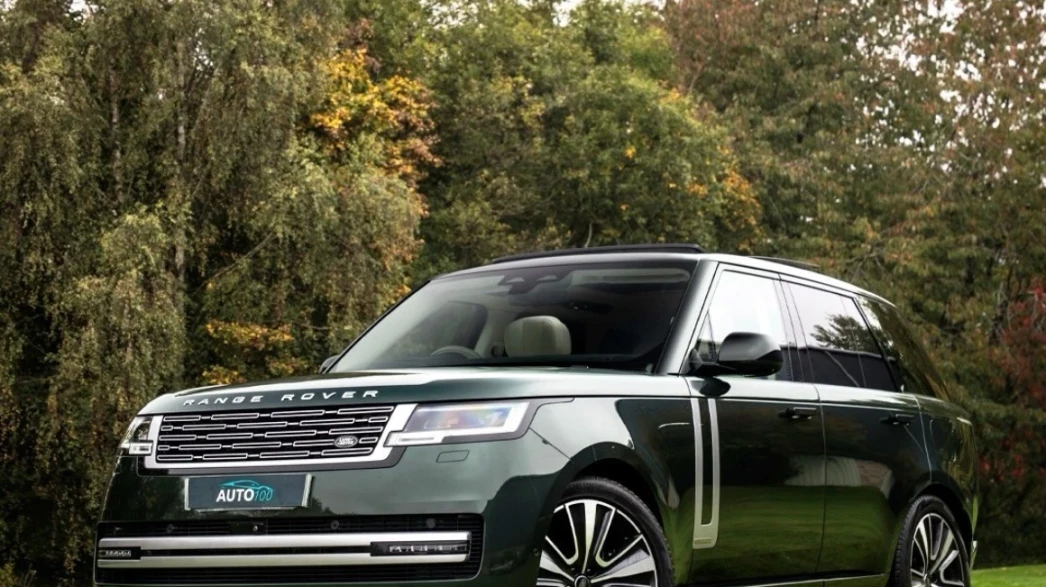
4. Used Range Rover History Checks: Stolen Vehicles, VIN and Paperwork
When buying a used Range Rover, checking the vehicle's history and identity is just as important as assessing its condition. At Auto100, we've been HPI members for more than 30 years and routinely carry out vehicle history checks on the cars we purchase.
An HPI check can help identify outstanding finance, recorded theft and certain insurance-related damage. However, no vehicle history check can guarantee that every issue will be uncovered.
Stolen and Cloned Range Rovers: How to Protect Yourself
Range Rovers have long been highly desirable vehicles and, unfortunately, a target for theft. Land Rover has introduced security improvements and software updates over the years, but buyers should not assume every vehicle has received every relevant update. Stolen and cloned Range Rovers can still appear on the used market.
We recommend buying from a reputable specialist who carries out thorough vehicle identity and history checks.
If you're buying privately, take particular care to verify the vehicle identification number (VIN), also known as the chassis number. Check that it matches the V5C registration document and the results of your vehicle history check.
On many models, the VIN is visible at the bottom corner of the windscreen and stamped into the vehicle structure in the engine bay. Locations vary by model, so consult the manufacturer's guidance. Look for signs of tampering and investigate any discrepancies before proceeding.
Check the Original Range Rover Specification Using TOPIx
Land Rover's TOPIx vehicle information can help establish a Range Rover's original factory specification. Comparing this information with the car you're viewing can help identify discrepancies in its recorded identity, engine or equipment.
We'd also compare the available service history, MOT records and recorded mileage to ensure the vehicle's history is consistent. Remember that a V5C is not proof of legal ownership, so establish who is selling the car and their right to do so.
Our advice: Before buying a used Range Rover, complete an HPI check, verify the VIN in multiple locations and check the original specification against reliable Land Rover records. If anything doesn't match, stop and investigate before paying a deposit or completing the purchase.
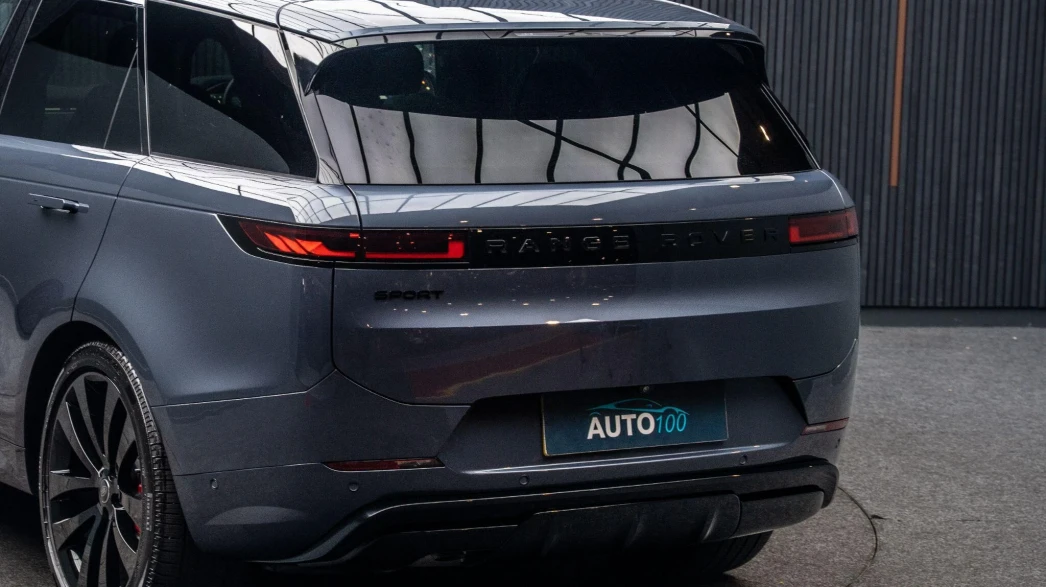
5. How Much Should You Pay for a Used Range Rover?
Buying a used Range Rover can be a false economy if you concentrate solely on the asking price. Two cars of the same age and mileage can be very different propositions depending on their history, condition and specification.
A car that has been meticulously maintained, with important maintenance already completed, may be a much better buy than a cheaper example that needs tyres, brakes, servicing or mechanical work.
Specification is also worth paying extra for. A Range Rover with a particularly desirable colour combination, panoramic roof, upgraded interior or carefully chosen factory options can be a far more appealing car to own. The right specification can also help it stand out when the time comes to sell. We would often rather see a buyer spend a little more on an exceptional example than compromise on the car they really want.
Of course, it still needs to stack up on condition, mileage and history. A high specification alone doesn't make a neglected car a good buy, and potential repair costs should always be considered.
At Auto100, we assess each vehicle on its own merits, looking beyond the advertised price to consider its condition, specification, provenance and overall desirability.
Compare our used Range Rover stock, paying attention to what makes each individual car special.
Our advice: Buy the best example you can comfortably afford. The cheapest Range Rover isn't necessarily the best value, and when the right colour and specification come along, spending a little extra can be well worth it.
Buying a Range Rover? Talk to Auto100
At Auto100, we believe choosing the right Range Rover comes down to understanding the detail. The L405 and L460 are very different propositions, and the badge, mileage and asking price only tell part of the story.
With the L405, we pay close attention to service history, engine choice and preventative maintenance. On 3.0-litre TDV6 and SDV6 diesel models, for example, we look carefully at servicing records and potential mechanical concerns. We also consider the condition of the suspension, cooling system and other expensive components.
With the L460, specification is a major part of the appeal. Engine choice, trim, exterior colour, interior finish and factory options can make a significant difference to a car's desirability. We believe a particularly well-specified example can be worth spending extra money on, provided its condition and history justify the price.
No checklist can replace assessing the individual car. We look beyond appearances, consider the vehicle's history in context and believe proper inspection and diagnostic checks are essential when appropriate.
We're still learning, and every day really is a school day. Experience teaches you what to look for, but every car has its own story.
Whether you're searching for a carefully chosen L405, considering a newer L460 or deciding which generation suits you best, we're happy to share our experience and talk through the options.
Explore our latest used Range Rover stock at Auto100, or contact our team to discuss what you're looking for.
Auto100 — specialist knowledge, built over decades.
FAQ's
Yes, a Range Rover is a great purchase. Whilst they're unlikely to be an investment they do give luxury that you wont find anywhere this side of a Rolls Royce, at least in our opinion.
The generation of Range Rover for you is highly based on budget but our opinion is buying the right car is more important than the generation or model.
Mileage matters, but its not the only thing to consider. In our opinion, a properly maintained high mileage car can be a better purchase than a low mileage car which hasn't had a loving owner.
Maintaining a Range Rover isn't a any more expensive than any of its premium rivals but they reward proper maintenance. Spend money on servicing and you will be rewarded in the long run.