


The Auto100 Porsche 718, Boxster & Cayman Buying Guide
The idea that the Boxster and Cayman are the “poor man’s Porsche” is a myth long since dispelled. The Boxster arrived in 1996 with the 986, followed by the Cayman in 2005 in the 987 generation. The arrival of the 718 in 2016 brought turbocharged four-cylinder engines to the standard range, moving away from the naturally aspirated flat-six that had defined earlier models.
Having spent years buying, selling and driving these cars, we’ve always believed the Boxster and Cayman deserve far more recognition than they sometimes receive. Their mid-engined layout gives them a wonderfully balanced feel, with an agility and precision that make them genuinely different from a 911. For us, they occupy a special place in the Porsche range, offering an incredibly rewarding sports car experience without needing to spend 911 money.
At Auto100, we’ve bought and sold more Boxsters and Caymans than we can count, and we’re still learning something new about them. We know how much the details matter, from choosing between a naturally aspirated flat-six and a turbocharged 718 to understanding which factory options are worth seeking out and what to look for in a car's history.
No two cars are quite the same, and a long options list or low mileage doesn't automatically make one the right choice. In this guide, we’ll share the knowledge we've built up over the years, explain the areas we pay particular attention to and help you find a Porsche you'll love owning as much as driving.
Which Porsche Should You Buy: Boxster, Cayman or 718?
Choosing between a Porsche Boxster, Cayman or 718 comes down to the driving experience you're looking for. At Auto100, having bought and sold more of these cars than we can count, we know that each has its own appeal.
The Boxster is hard to beat if you love open-air motoring. Its mid-engined layout delivers superb balance, while the convertible roof adds to the occasion. For us, the 981-generation Boxster is particularly appealing for its naturally aspirated flat-six engine.
The Cayman offers much of the same driving magic in a fixed-roof coupé. Precise, balanced and wonderfully engaging, a well-specified 981 Cayman S is one of our favourite all-round choices for drivers who value handling and performance.
The 718 introduced a new generation, with turbocharged four-cylinder engines in many models. However, the GTS 4.0 and GT4 brought back the naturally aspirated flat-six, combining modern engineering with the engine character many enthusiasts love.
Our advice? Don't choose on age or badge alone. Drive the different versions, consider the specification and service history, and focus on the condition of the individual car. The best Porsche isn't necessarily the newest or most powerful — it's the one that makes you want to take the long way home.
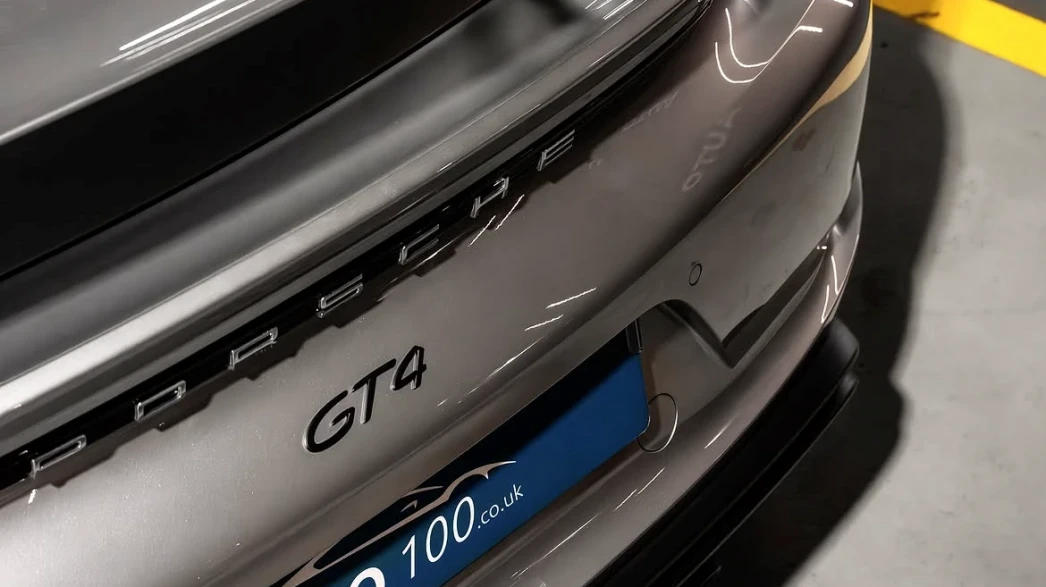
What to Check When Buying a Used Porsche
Buying a used Porsche is about finding the right car, not simply the lowest mileage or best-looking example. At Auto100, years of buying and selling Porsches have taught us that understanding model-specific issues is just as important as assessing condition and service history.
Engine and exhaust smoke
Smoke from the exhaust is always worth investigating, but it doesn't automatically mean the engine has serious internal damage. Later cars have direct injection which means they can get carboned up, especially when driven slowly so some soot or smoke during a spirited drive isn't necessarily something to worry about. On some Porsche flat-six engines, a failed air-oil separator (AOS) can cause excessive smoke, particularly on start-up. This can sometimes be mistaken for bore scoring, a concern associated with certain 911, Boxster and Cayman engines but is a much cheaper fix. Correct diagnosis is essential before drawing conclusions.
PDK gearbox problems
The PDK transmission delivers rapid, precise gear changes, but repairs can be expensive if something goes wrong. Early PDK gearboxes can suffer internal failures, unfortunately there aren't many warning signs making a specialist check a must.
718 turbo actuator issues
On turbocharged 718 models, turbocharger actuator operation is worth checking. Actuators can seize or fail, particularly if the car hasn't been driven hard, potentially affecting boost pressure and engine performance. Look out for warning lights, reduced power or inconsistent acceleration, and have any suspected issue investigated using appropriate PIWIS diagnostic equipment.
GPF filters on later models
Many Porsche petrol models from around 2019 onwards are fitted with a gasoline particulate filter (GPF) to reduce emissions. These systems need to operate under the right conditions to manage accumulated soot. Usage patterns and maintenance can affect their operation, so investigate warning lights, stored fault codes or signs of restricted exhaust flow.
Correct servicing is important, including using the specified oil and following Porsche's maintenance requirements. The vehicle's service records and diagnostic data can help establish whether the maintenance system has been reset correctly and whether any filter-related faults remain. A GPF issue should be diagnosed rather than automatically attributed to missed servicing.
Bodywork & Provenance
Check for accident damage, whilst the Cayman & Boxster have a great chassis they are often someone's first entry into a proper sports car and can still catch you out. Minor paintwork to rectify stone chips is completely normal but this should not affect the panel gaps, which are fantastically consistent from the factory. Any wavy panels or poor gaps should be treated with extreme caution.
Our advice at Auto100
Porsche-specific knowledge matters because faults can have very different causes — and very different repair costs. Exhaust smoke, for example, needs proper diagnosis before assuming the engine is suffering from bore scoring; similarly, a transmission warning or turbocharger fault should never be dismissed without investigation.
At Auto100, we look beyond mileage and appearance, considering the individual model's known weaknesses, service history, specification and diagnostic results. A specialist inspection - like our 111 point inspection - before buying can help identify expensive problems and give you a much clearer picture of the car you're considering.
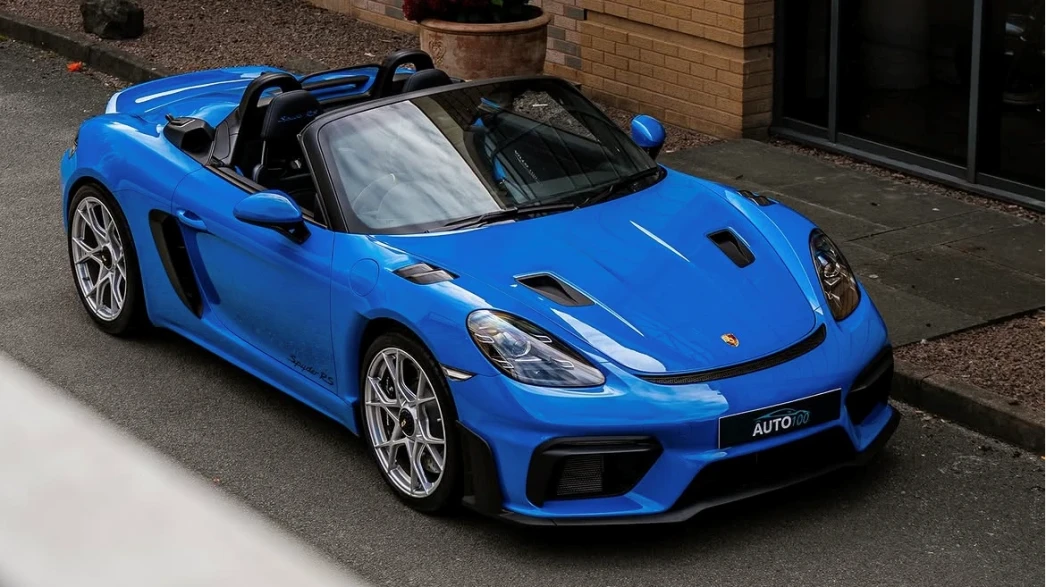
GT4, Boxster Spyder or 911: Are Porsche GT Cars Really Worth the Hype?
Having bought and sold Porsches for years at Auto100, we've had plenty of conversations with customers about whether a GT car is really worth the extra money. Our view? They can be absolutely brilliant, but we've also seen buyers get caught up in the hype and overlook cars that might actually suit them better.
The Cayman GT4 has always struck us as one of the most rewarding driver's cars Porsche makes. The mid-engined layout gives it wonderful balance, and the naturally aspirated flat-six in the 981 and 718 GT4 delivers a wonderfully involving experience. It's a car you buy because you love driving, not because of the badge.
The Boxster Spyder appeals to a different sort of enthusiast. We understand the attraction of a lightweight, open-top Porsche with a high-revving flat-six behind you. If your idea of a perfect day is an early start, a quiet B-road and the roof down, the Spyder is hard to beat.
The 911 GT3 is something special in its own right. Its motorsport-inspired engineering and high-revving engine make it an extraordinary car, but we always encourage customers to think carefully about how they'll use it. There's little point paying a substantial premium for track-focused ability if what you really want is an enjoyable road car.
Which Porsche GT is right for you?
Cayman GT4 — the driver's choice. We'd point you towards the GT4 if you want exceptional balance, precise handling and a car that feels genuinely special on a challenging road.
Boxster Spyder — the emotional choice. Our pick for someone who values open-air driving, engine character and the occasion of a special weekend car.
911 GT3 — the uncompromising choice. Best for enthusiasts who specifically want the motorsport connection, the engine and the intensity that define a GT3.
Cayman GTS or 911 Carrera — the everyday choice. Don't dismiss these. We often think a well-chosen GTS or Carrera makes more sense for someone who wants to enjoy their Porsche regularly without the compromises of a GT model.
Our advice at Auto100
If a customer asked us where to start, we'd suggest driving a 718 Cayman GT4 before committing to a 911 GT3. It may offer all the involvement you're looking for without the extra cost and expectations that come with the GT3 badge.
But we'd never recommend buying on reputation alone. We've learnt that specification, condition, service history and how a car makes you feel behind the wheel matter far more than what people on the internet say you should buy.
The best Porsche is the one you'll genuinely enjoy owning. Our job is to help you find it, with honest advice drawn from years of buying, selling and assessing these cars.
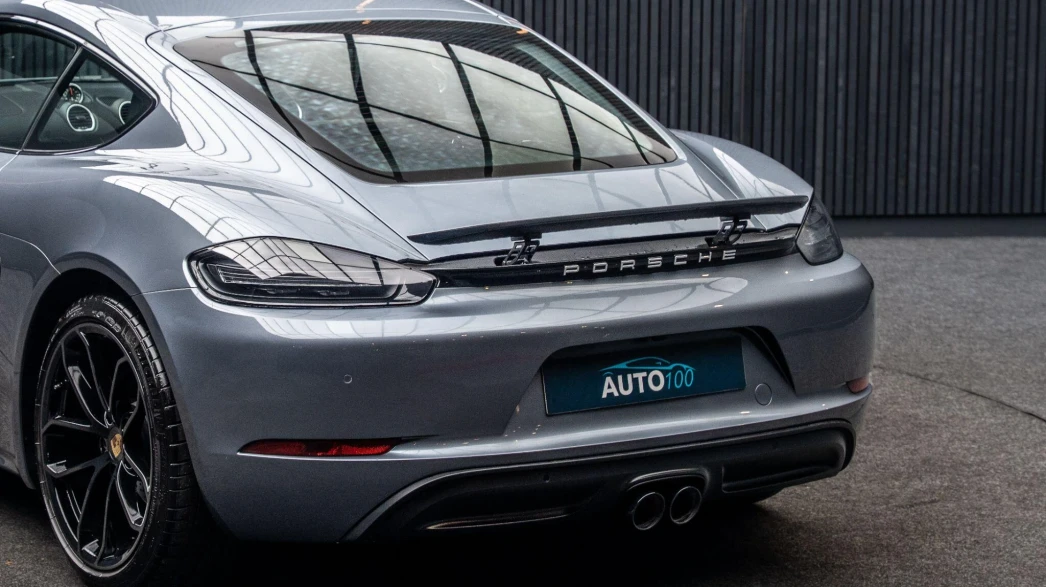
At Auto100, we’ve spent years buying, selling and assessing Porsche sports cars, and we know how much the finer details matter. From engine choice and factory specification to service history, provenance and model-specific issues, our experience helps us look beyond the obvious to understand what makes each car special. Every Porsche we offer is prepared in line with our own standards, with a focus on the details that matter to the car and its next owner. You can read more about our approach in Our Standards.
If you’re considering a Boxster, Cayman or 718, we’re always happy to share our knowledge and help you identify the right example. Choosing a great Porsche takes more than knowing the model range. It takes an understanding of the individual car, its history and its condition — and that’s where specialist experience makes the difference.