

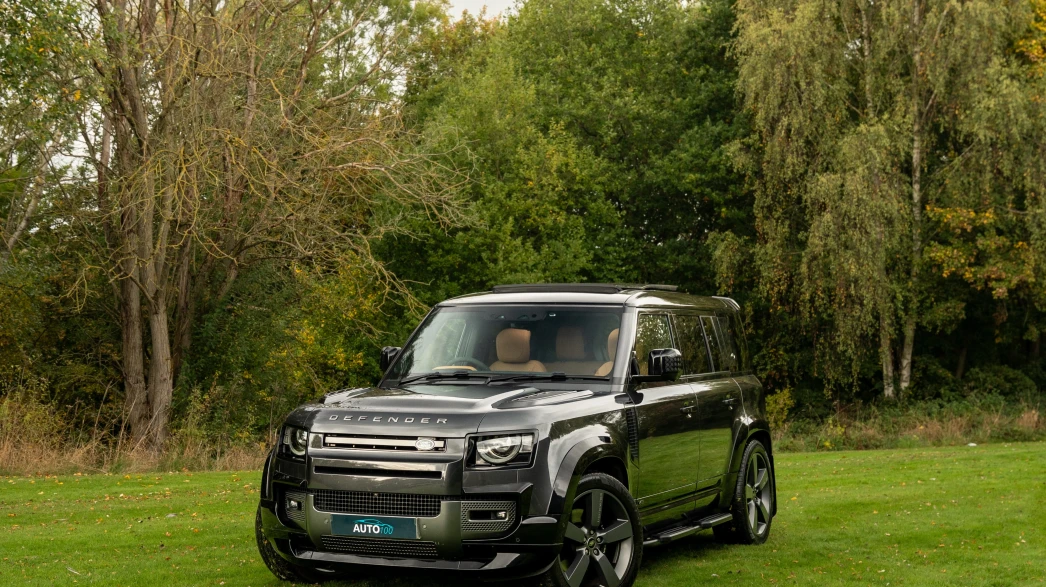
The Auto100 Land Rover Defender Buying Guide: Understanding an Icon
There are few vehicles with quite the same character as a Land Rover Defender. Designed to work where ordinary vehicles struggle, it has earned its reputation through decades of service in some of the world's toughest environments. Today, it appeals to an equally diverse audience, from traditional Land Rover enthusiasts to buyers looking for a distinctive luxury 4x4 with genuine heritage.
But buying a used Defender requires a slightly different approach from buying most other prestige vehicles. On an older example, chassis condition, previous repairs and the quality of any modifications can be far more important than mileage or specification. On a modern Defender, the emphasis shifts towards its technology, equipment, service history and overall condition.
At Auto100, we believe the best purchases come from understanding what makes a particular vehicle special, as well as knowing where to look more closely. The Defender has evolved enormously over the years, and choosing between a classic model and the latest generation is about much more than appearance.
This guide shares some of what matters when buying a used Land Rover Defender, helping you understand the differences between models, the areas worth investigating and how to identify the right example for you.
A Brief History: From Working Land Rover to Modern Icon
The Defender story began long before the Defender name existed.
In 1947, Rover engineer Maurice Wilks developed the idea for a practical, go-anywhere vehicle inspired in part by the post-war American Jeep. The first Land Rover was unveiled at the Amsterdam Motor Show in April 1948. Its lightweight aluminium body panels, straightforward engineering and four-wheel-drive capability made it particularly suited to agricultural work, industry and challenging terrain. It was designed to be useful first and comfortable second.
Over the following decades, the original Series models developed into increasingly capable vehicles. In 1983, the Ninety and One Ten arrived, introducing the coil-sprung chassis and suspension layout that helped make the vehicle more comfortable and capable on the road without sacrificing its off-road credentials. The longer-wheelbase 127 followed.
In 1990, Land Rover introduced the Defender name, initially alongside the 90, 110 and 130 designations. Under the bonnet, successive generations brought important changes, from the 200Tdi and 300Tdi diesels to the five-cylinder Td5 and, later, the 2.4- and 2.2-litre Puma engines.
The final classic Defenders left production in 2016, bringing an end to a remarkable era of vehicle design that had developed continuously from the original 1948 Land Rover.
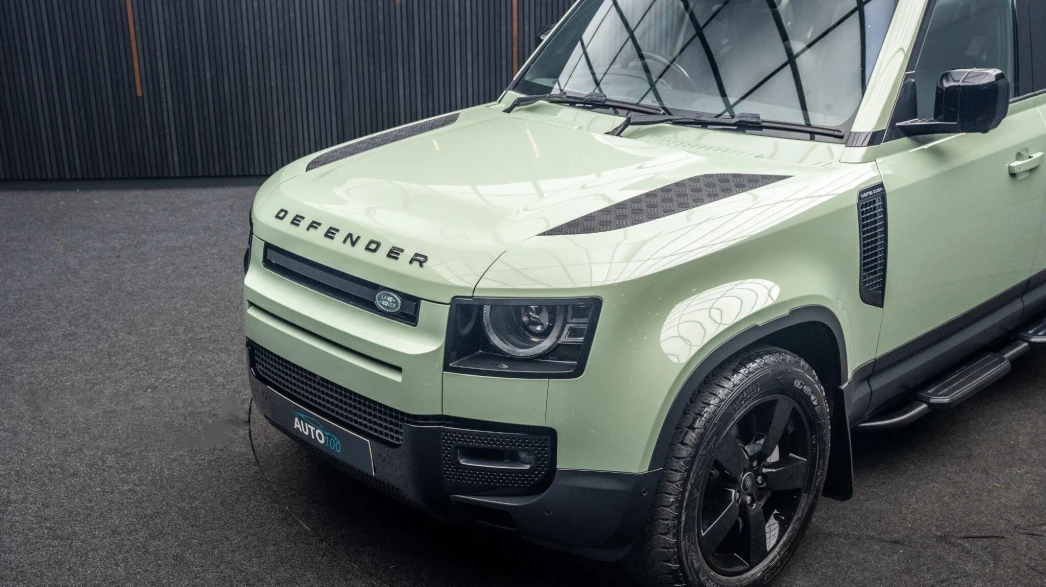
After a gap, an entirely new Defender arrived for the 2020 model year. Known as the L663, it retained the familiar upright stance and distinctive design cues but adopted a fundamentally different engineering approach, with an aluminium-intensive monocoque body structure, independent suspension and a sophisticated suite of electronic systems.
The result is a vehicle that retains the spirit of the original while offering a very different driving experience. Understanding that distinction is the starting point for buying the right Defender.
Classic or New Defender: Which Is Right for You?
Although they share a name and design heritage, the classic Defender and the modern L663 are very different propositions.
The classic Defender has a charm that is difficult to replicate. Its upright driving position, manual gearbox, mechanical feel and relatively simple cabin are a large part of the appeal. For some buyers, the ability to maintain, restore and personalise the vehicle is just as important as driving it. A garage is an absolute must if your opting for a classic as the early cars hate bad weather, often leak and rust if left out in the elements for too long. The primitive locking and electronics also make the cars an easy target for thieves so ensure the car is properly protected with modern safety systems if left outside.
The modern Defender offers a very different balance. It is quieter, faster and more refined, with advanced driver assistance, modern infotainment, automatic transmissions and sophisticated off-road technology. It is far easier to use as an everyday family vehicle, particularly for buyers covering longer distances. The robust interior stands up to wear and tear well, and with the right specification the cars look properly timeless, a great choice for the daily drive.
Neither is inherently the better purchase. The question is whether you want a traditional Land Rover experience or a modern luxury 4x4 that happens to have extraordinary off-road ability.
Buying a Modern Defender: Technology and Condition
The modern Defender deserves a different inspection process. Its monocoque construction, independent suspension and extensive electronic systems mean that checks appropriate to a classic Defender cannot simply be carried across.
Start with the service history. Look for evidence of routine maintenance, completed manufacturer campaigns where applicable, and a consistent record of work carried out by suitably equipped workshops.
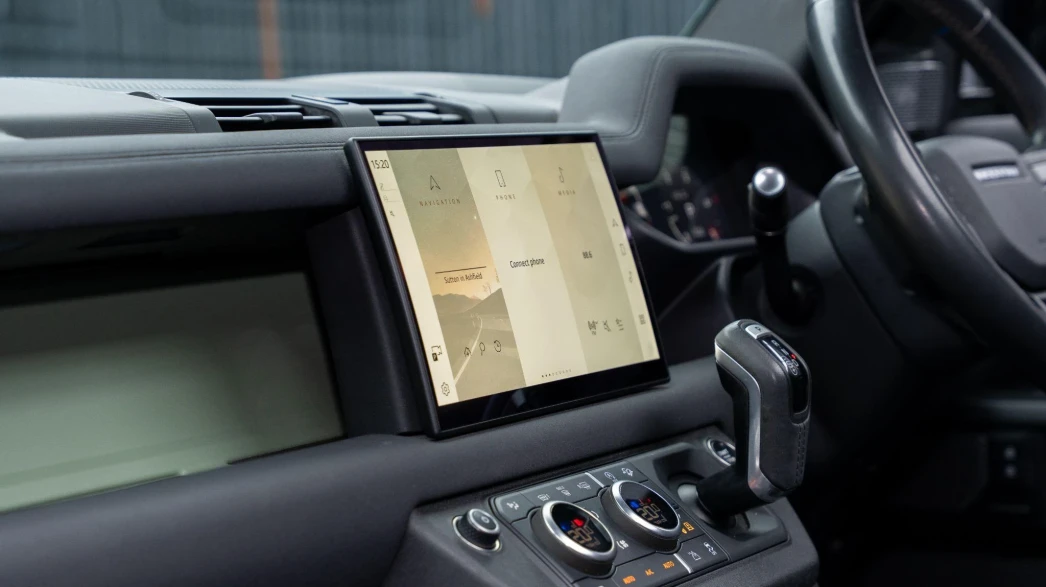
Next, test the vehicle's equipment rather than assuming everything works. Depending on the specification, this might include the infotainment system, cameras, parking sensors, driver assistance features, climate control, electric seats and powered tailgate. Air suspension, where fitted, should operate correctly and maintain its intended ride height.
A diagnostic scan using suitable Jaguar Land Rover-compatible equipment can help identify stored faults that are not necessarily obvious during a short test drive. Any findings should be interpreted alongside the vehicle's history and condition rather than treated as a reason to reject it automatically.
We would also inspect the bodywork and underside carefully, paying attention to signs of previous accident repairs, off-road damage, poorly repaired trim and water ingress. A vehicle with substantial off-road ability may never have been used seriously off-road, but it is worth establishing how the previous owner actually used it.
Finally, take time to drive the car properly. Check that the gearbox behaves as expected, the steering feels consistent, the suspension operates correctly and there are no unusual noises or warning messages. A short drive around the block may not reveal everything.
Service History: Look Beyond the Stamps
A service book is a useful starting point, but it is only one part of a Defender's history.
Invoices can help establish what has actually been done, when work was completed and whether recurring problems have been addressed. On a classic vehicle, records of chassis repairs, engine work, gearbox repairs, suspension components and restoration work can be particularly valuable.
On a modern Defender, we would look for evidence of scheduled servicing alongside any significant diagnostic, electrical or mechanical work. A car with higher mileage and a convincing maintenance history may be a more attractive purchase than a lower-mileage example with gaps in its records.
It is also important to understand the difference between maintenance and restoration. A vehicle can have a long list of recent invoices without necessarily being in better overall condition than one that has been carefully maintained throughout its life.
The key is to build a complete picture of the vehicle rather than allowing one attractive feature to dominate the decision.
Which Defender Should You Buy?
There is no single answer, because the right Defender depends on what you want from it.
If you value traditional engineering and the character of an older Land Rover, a well-maintained classic could be a rewarding choice. If you want a more usable daily driver while retaining the traditional design, a late-production 2.2-litre model may be worth considering. If comfort, technology, family practicality and long-distance refinement matter most, the modern L663 is likely to be the more suitable option.
Whichever route you take, buy the individual vehicle rather than the reputation of the badge. A desirable engine, rare colour or expensive list of modifications cannot compensate for poor maintenance or questionable workmanship.
At Auto100, we believe that finding the right car means looking beyond the obvious and understanding the details that distinguish a good example from a great one.
If you're considering a Defender, you can explore our current selection of used Land Rover Defenders at Auto100.