

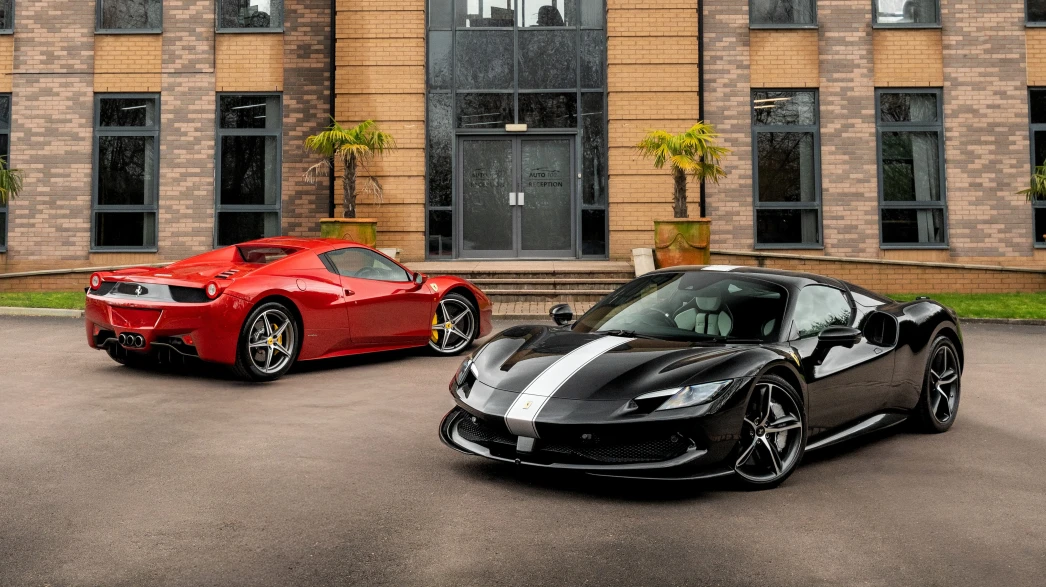
The Auto100 Used Ferrari Buying Guide
Buying a Ferrari is a deeply personal decision. Perhaps you've always wanted a naturally aspirated 458 Italia, are drawn to the turbocharged performance of an F8 Tributo, or want to experience Ferrari's latest hybrid engineering in the 296 GTB. Whatever draws you to the marque, finding the right car is about understanding what matters to you, not simply choosing the newest model or the lowest mileage.
At Auto100, our relationship with Ferrari goes beyond buying and selling cars. Years of first-hand experience have taught us to appreciate the details that make individual examples special, from rare factory options and distinctive colour combinations to provenance, maintenance history and the character of each model. We believe a great Ferrari is about far more than its specification sheet.
When sourcing a used Ferrari, we look for the qualities that make a car worth owning. We consider how it has been maintained, whether its specification suits the next owner and what its history tells us about its life so far. Carbon-fibre options, sports seats, front-axle lift systems and factory paint choices can all influence desirability, but the right combination depends entirely on the person buying the car.
In this guide, we share the practical knowledge and personal insights we bring to choosing a Ferrari at Auto100. From understanding the differences between models to assessing service records, condition and future maintenance, our aim is to help you make a decision with confidence.
Whether you're fulfilling a lifelong ambition or adding a particular car to an established collection, we believe the best Ferrari is the one that feels right for you. Our job is to understand what you're looking for, find the right example and help make owning it every bit as special as you've imagined.
Ferrari Specification: Looking Beyond the Options List
When buying a used Ferrari, understanding the factory specification is an important part of choosing the right car. In my experience, two Ferraris of the same model can feel remarkably different depending on their paint colour, interior trim and optional equipment. Most modern Ferraris have a specification plaque beneath the boot floor detailing the factory-fitted options, while information for older Ferraris can usually be requested directly from Ferrari. However, a longer options list doesn’t automatically make a car more desirable. Some of the most expensive Ferrari options are highly individual, so it’s important to understand which features enhance the car and which may appeal to a more limited number of buyers.
Ferrari paint colour is a particularly interesting part of the specification. Red remains the traditional choice and is often the colour people imagine for their first Ferrari. However, we’re increasingly seeing buyers explore less obvious colours and more individual combinations, particularly when choosing a second or subsequent Ferrari. A carefully specified car in a distinctive factory colour can be just as desirable as a red example, sometimes offering a more understated expression of Ferrari’s character. At Auto100, I look beyond the options list to assess the complete specification, helping buyers understand what makes each used Ferrari special and which details are worth prioritising for their own enjoyment and future desirability.
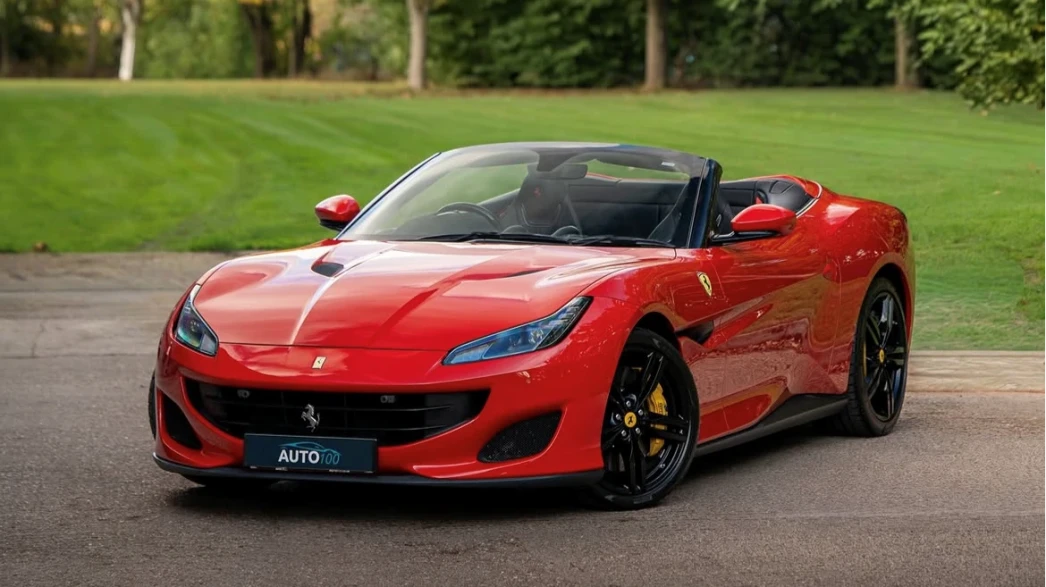
Common Ferrari Issues: How Much Should You Budget for Maintenance?
At Auto100, we believe understanding a Ferrari is about much more than knowing its performance figures. It’s about recognising the characteristics of individual models, knowing where problems can arise and understanding what separates a well-maintained example from one that could become an expensive mistake. Having spent years around prestige and supercars, I know that buying the right used Ferrari means looking beyond the mileage, the specification and the initial asking price.
Every Ferrari has its own maintenance considerations. These are highly engineered, high-performance cars with racing DNA, and that character is part of their appeal. However, it also means certain issues are worth understanding before you buy, particularly with older models. Ferrari Californias, for example, can suffer from worn engine mounts, causing excessive vibration at tickover. Older Ferraris with F1 automated manual gearboxes can experience rapid clutch wear, especially when driven in city traffic by someone unfamiliar with the system. On the Ferrari F12 Berlinetta, sticking brake-cooling duct mechanisms can trigger an active aero fault warning. These are the sorts of model-specific details we believe every buyer should understand.
When advising customers, I also encourage them to budget realistically. For an older Ferrari, I would allow up to £5,000 per year for maintenance and age-related upkeep, even with relatively low annual mileage. This is a prudent allowance rather than an expectation that every car will incur that cost. Newer cars will generally require less provision for age-related repairs, while an appropriate warranty can offer valuable additional reassurance.
This is where specialist knowledge really matters. At Auto100, we look beyond the showroom appeal of a Ferrari to consider its service history, condition, known model-specific issues and likely future maintenance. Our aim isn’t simply to find you a Ferrari you want to own; it’s to help you understand the individual car you’re buying, make an informed decision and enjoy the ownership experience with confidence. We believe that’s what buying from a genuine prestige and supercar specialist should mean.

Finding the Right Ferrari: V8, V12 or V6 Hybrid?
When helping someone choose a Ferrari, I always think it’s important to understand the experience they’re looking for, rather than simply comparing performance figures. The difference between a V8, a V12 and Ferrari’s newer V6 hybrid models is enormous, and having spent time around these cars, I can tell you that the fastest one isn’t necessarily the one you’ll enjoy most.
For me, the V8 Ferraris, particularly the mid-engined models, are wonderfully usable cars. Their more balanced weight distribution, relatively compact dimensions and more progressive power delivery can make them feel less intimidating and, in many ways, more enjoyable on the right road. That doesn’t mean they’re tame. Five minutes behind the wheel of an F8 Tributo is enough to remind anyone just how brutally quick a modern Ferrari can be. But there’s an approachability to these cars that makes them easier to enjoy across a wider range of driving conditions.
The V12 Ferraris are an entirely different proposition. Cars such as the F12 Berlinetta and 812 Superfast are big, powerful and genuinely intimidating places to sit. I sometimes think of them as having a grenade beneath the accelerator pedal; they demand respect and reward a driver who takes the time to understand them. Yet that’s also where their magic lies. Once you become comfortable behind the wheel, you begin to appreciate the extraordinary engine note and the almost otherworldly way they gather speed. It can feel less like driving a conventional car and more like piloting a spacecraft or launching a rocket.
Then there’s the 296 GTB, with its V6 hybrid powertrain, which brings a completely different dimension to Ferrari performance. The combination of combustion-engine character and electric assistance delivers astonishing acceleration, but the experience is distinct from both the traditional V8 and the naturally aspirated V12.
At Auto100, our role as Ferrari specialists is to help you understand these differences in the real world, not just on paper. Whether you want a mid-engined Ferrari you can enjoy regularly, the theatre of a front-engined V12 or the cutting-edge performance of a hybrid, finding the right car comes down to matching its character to yours. The best Ferrari is the one that makes you want to find an excuse to drive it.

Ferrari Depreciation: The Hidden Cost — or the Biggest Opportunity?
I often tell people that if you want to understand just how well Ferraris hold their value, spend five minutes on AutoTrader and search for the cheapest examples for sale. As I write this, once you discount the cars with histories, condition or other concerns that make them difficult to recommend, you’re looking at around £60,000 to get into Ferrari ownership. Think about that for a moment. There are very few manufacturers anywhere in the world whose cars retain this level of desirability over so many years.
To me, Ferrari occupies a rather special position in the market. When you think about watches, you think Rolex; when you think about handbags, you think Hermès. These are brands whose appeal goes beyond the product itself, built on heritage, desirability and an identity that people aspire to own. Ferrari has that same quality in the automotive world. Of course, that doesn’t mean every Ferrari holds its value, and you can absolutely lose money if you buy the wrong car, pay too much or overlook its condition and history. But choose carefully, and the picture can be very different. Some Ferraris can cost surprisingly little to own over time, while particularly desirable examples may even appreciate.
This is where I believe buying the right Ferrari really matters. Imagine taking money that’s sitting in your bank account earning very little interest and putting it into a car that you can enjoy, while potentially retaining much of its value. Rather than simply watching your money sit there, you have something extraordinary in your garage, ready for a spirited drive whenever the weekend allows. Naturally, there are running costs, maintenance, insurance and no guarantee of future values, so it’s never as simple as comparing a car with a savings account. But buy the right Ferrari at the right price, look after it properly and understand the market, and the cost of ownership can be far more appealing than you might expect. For me, that’s the real beauty of Ferrari ownership: you get to enjoy the car while owning something that may prove remarkably resilient in value.

Ferrari Service History: What to Look For
When I’m assessing a used Ferrari, the service history is one of the first things I look at, but years of experience in the prestige and supercar market have taught me not to judge a car by its service book alone. Regular maintenance is essential, but understanding how a Ferrari has been used, where it has been maintained and who has worked on it can tell you far more than a collection of stamps.
Many older Ferraris have naturally found their way to respected independent specialists. In my experience, the best of these can have an exceptional understanding of older models, sometimes exceeding that of a main dealer whose attention is understandably focused on the latest cars. At Auto100, we believe genuine Ferrari expertise comes from knowing the cars inside out, not simply having access to the latest diagnostic equipment. The right specialist understands the quirks of individual models, knows where to source hard-to-find parts and can often identify a sensible solution where others might recommend an expensive replacement. There’s an old saying that it isn’t always about having the right tool; sometimes, it’s knowing where to hit. That depth of experience can save owners thousands of pounds over the years.
I also take a considered approach to Ferraris that have spent time in private collections. Some exceptional cars cover very little mileage for several years, so their service history may not look as comprehensive as that of a regularly driven example. That wouldn’t automatically put me off a car. I’d want to understand how it was stored, whether time-sensitive maintenance was carried out and what condition it’s in today. Low mileage doesn’t remove the need for maintenance, but gaps in the history should be assessed in context rather than treated as an automatic reason to walk away.
This is where I believe choosing the right Ferrari specialist makes a real difference. At Auto100, we look beyond the paperwork to assess the complete picture: the car’s condition, ownership history, maintenance, specification and any model-specific areas that deserve closer attention. We want our customers to understand exactly what they’re buying and have the confidence to enjoy it. A perfect service book is reassuring, but an older Ferrari with the right specialist care, a credible history and excellent condition can be a far better proposition than one with a full set of stamps but less convincing evidence of how it has actually been maintained.